Introduction
I never thought much about footwear until I started paying attention to how my feet felt at the end of long days. The constant ache in my arches and the general fatigue made me realize that perhaps my choice of shoes needed more consideration. It was during this period of foot-conscious awakening that I first encountered the work of Sean Duggan, whose approach to urban photography often highlighted the relationship between people and their everyday environments, including what they wore on their feet. This connection between practical comfort and aesthetic sensibility resonated with me, particularly when I began looking for boots that could handle the demands of city life without sacrificing style.
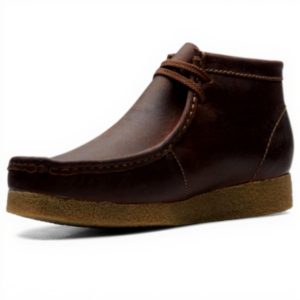
My search led me to the Clarks Shacre Boot, a men’s chukka design that promised both timeless style and modern comfort features. The combination of smooth leather and lightweight construction seemed like it might address the very issues I’d been experiencing. What I didn’t anticipate was how these boots would gradually transform not just my comfort levels but my entire approach to daily footwear choices. The journey from skeptical first wear to genuine appreciation unfolded over several weeks of regular use across different urban settings.
There’s something about finding footwear that actually works for your lifestyle that changes how you move through the world. The constant background awareness of discomfort disappears, replaced by a quiet confidence that your feet can handle whatever the day brings. This shift happened gradually with the Shacre Boots, beginning with small moments of noticing their performance during routine activities and building toward a deeper appreciation for their design philosophy.
Real-life Context
My typical week involves a mixture of office work, city walking, and casual social engagements. The transition between these different environments used to mean either compromising on style for comfort or enduring discomfort for the sake of appearance. I’d find myself changing shoes between locations or simply accepting that certain activities would leave my feet tired and sore. The urban landscape I navigate daily includes everything from polished office floors to uneven pavement, from brief subway rides to longer walks between meetings.
When the Clarks Shacre Boots arrived, their Beeswax color immediately struck me as versatile enough to work with both casual trousers and more formal office wear. The smooth leather had a subtle richness that suggested quality without being ostentatious. What surprised me initially was how lightweight they felt when I first lifted them from the box. Having worn heavier boots in the past, I was accustomed to that substantial feeling on my feet, but these promised something different—a combination of durability and ease of movement.
The available width options meant I could choose a fit that accommodated my slightly wider feet without having to size up and deal with extra length. This attention to different foot types suggested that Clarks understood that comfort begins with proper fit. The multiple UK sizes available, including wide width options like 6.5 UK Wide and 8.5 UK Wide, indicated a recognition that feet come in different shapes and that optimal comfort requires addressing these variations directly.
My first wearing experience came during a typically busy Wednesday that involved morning meetings, an afternoon of errands across town, and an evening gathering with friends. I was curious to see how the boots would perform across this range of activities, from the relative stillness of conference rooms to the constant motion of city streets. The true test would be whether they could provide consistent comfort without requiring constant attention or adjustment throughout the day.
Observation
What I noticed first was how the boots seemed to mold to my foot’s shape without the painful breaking-in period I’d experienced with other leather footwear. The responsible leather construction felt supple against my skin while maintaining enough structure to provide proper support. During those initial wears, I paid close attention to how my feet felt at different points in the day, particularly during extended periods of standing or walking.
The lightweight design became most apparent during my longer urban walks. Where I’d normally start feeling foot fatigue after about forty-five minutes of continuous movement, the Shacre Boots maintained a consistent comfort level that allowed me to focus on my surroundings rather than my feet. This was particularly noticeable during a day that involved walking between appointments across several city blocks. The reduced weight meant less energy expended with each step, and by day’s end, I realized I hadn’t experienced the usual urge to remov my shoes immediately upon returning home.
The classic chukka styling proved remarkably adaptable to different settings. In my office environment, they worked well with both formal trousers and more casual chinos, never looking out of place regardless of what I was wearing. During weekend activities, they paired equally well with jeans while providing the comfort needed for longer periods on my feet. This versatility meant I could wear them throughout entire days without needing to change footwear for different occasions.
I began to notice small design elements that contributed to the overall comfort experience. The way the boots flexed at exactly the right points during walking, the smooth interior that prevented rubbing, and the balanced construction that distributed weight evenly across my feet—all these details worked together to create a wearing experience that felt considered rather than accidental. Even after several weeks of regular use, the leather maintained its shape and appearance, showing only the gentle creasing that comes with quality materials breaking in naturally.
During a particularly long day that involved back-to-back meetings followed by an evening event, I realized around hour ten that I hadn’t thought about my feet once. This absence of foot-related awareness struck me as significant. When footwear works properly, it becomes background rather than foreground in your daily experience. The boots were performing their function so effectively that they’d essentially disappeared from my conscious attention, allowing me to focus completely on the people and tasks at hand.
Reflection
I didn’t realize at the time that this would be so important, but the consistent comfort of the Shacre Boots gradually changed how I approached my daily movements through the city. Where I might previously have taken transportation for shorter distances to avoid foot fatigue, I found myself choosing to walk more often, enjoying the opportunity to move through urban spaces with greater ease. This shift wasn’t dramatic or immediate but accumulated through dozens of small decisions made possible by footwear that supported rather than hindered my mobility.
The responsible leather sourcing mentioned in the product details took on deeper meaning as I wore the boots regularly. In a world where consumption choices carry environmental implications, knowing that materials were sourced ethically added another layer of satisfaction to the wearing experience. This alignment between personal comfort and broader values created a sense that my choice supported not just my immediate needs but more sustainable practices within the footwear industry.
There’s something about finding footwear that works consistently across different contexts that changes your relationship with daily preparation. The mental energy previously devoted to deciding which shoes to wear for which activities, or anticipating potential discomfort in certain situations, became available for other considerations. This reduction in decision fatigue might seem minor, but over time it contributes to a smoother, more focused approach to daily life.
I began to understand why the chukka design has remained popular across generations. Its simplicity allows it to adapt to changing styles while maintaining its core functionality. The Shacre Boots demonstrated how traditional designs can incorporate modern comfort technologies without losing their essential character. This balance between heritage and innovation created footwear that felt both timeless and contemporary, equally at home in different decades as in different settings.
The multiple width options available for these boots represented more than just sizing variety—they acknowledged the diversity of human feet and the importance of proper fit for genuine comfort. Having experienced footwear that was either too narrow or too roomy in the past, I appreciated how the available width choices allowed me to find a fit that felt custom rather than compromise. This attention to anatomical reality reflected a design philosophy that prioritized wearer experience over standardized production.
As weeks turned into months, the boots developed a patina that reflected my movements through the city. The Beeswax color softened slightly, acquiring subtle variations that told the story of their use. These visual changes mirrored the way the boots had become integrated into my daily life, not as separate objects but as extensions of my feet that supported my movements without demanding attention. The relationship between footwear and wearer had evolved from transactional to symbiotic.
Conclusion
My experience with the Clarks Shacre Boots has been one of gradual appreciation rather than immediate revelation. The qualities that make them effective daily companions—the lightweight construction, responsible leather materials, versatile styling, and multiple width options—reveal themselves through consistent use across different urban environments. They’ve become my default choice for days that involve mixed activities, providing reliable comfort without requiring constant consideration or adjustment.
The connection to Sean Duggan’s work remains meaningful, though in ways I hadn’t initially anticipated. His photography often captures the intersection between people and their environments, and these boots have become part of how I navigate my own urban landscape. They support my movements through city spaces while maintaining an aesthetic that feels appropriate across different contexts. This alignment between functional comfort and visual appeal creates footwear that works with rather than against daily life.
What began as a search for more comfortable footwear has evolved into a deeper understanding of how quality design can enhance daily experiences. The Shacre Boots demonstrate how thoughtful construction and material choices can create products that perform effectively while aligning with broader values around responsible production. Their lasting durability suggests they’ll continue to be part of my urban navigation for considerable time, developing further character with continued use.
The true test of any footwear comes not in how it feels during brief try-ons but in how it performs across months of regular use. The Clarks Shacre Boots have met this test by providing consistent comfort, adaptable style, and durable construction that maintains its integrity through daily urban demands. They’ve transformed from new purchases to trusted companions in my daily movements, supporting my feet while allowing me to focus on the experiences rather than the equipment.
Finding footwear that genuinely works for your lifestyle creates a quiet foundation for daily activities. The absence of foot-related discomfort means one less distraction as you move through your responsibilities and engagements. The Shacre Boots have provided this foundation through their balanced combination of traditional chukka styling and modern comfort features, proving that sometimes the most significant improvements come not from revolutionary changes but from refined execution of timeless designs.