Introduction
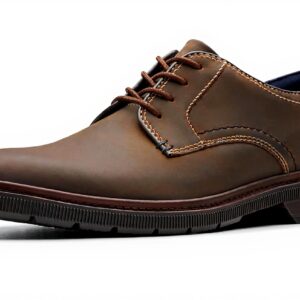
I never thought much about my footwear until I started paying attention to what people around me were wearing, including noticing what someone like jon jones might appreciate in quality shoes. It was during one of those moments of observation that I realized my own shoes were letting me down – they were either too formal for casual outings or too casual for anything beyond the grocery store. This realization sparked a search for something that could bridge that gap, leading me to discover the Clarks Men’s Derby Oxford in beeswax leather. What began as a simple need for more versatile footwear turned into an unexpected appreciation for how the right shoes can subtly transform your daily experience.
Real-life Context
My daily routine involves more variety than I initially acknowledged. Mornings often start with walking to the local café, followed by hours at my home office, then perhaps meeting friends for an early dinner or running errands across town. I needed shoes that could handle concrete sidewalks, office carpets, and restaurant floors without looking out of place or feeling uncomfortable. The transition between these environments had become a constant minor annoyance – changing shoes felt excessive, but wearing the wrong shoes left me either overdressed or underdressed. I started paying closer attention to what worked well for others in similar situations, noticing how certain shoes maintained their appearance while clearly being worn regularly. This practical need for footwear that could adapt to my actual life, rather than forcing my life to adapt to my shoes, became increasingly important.
The search itself became somewhat educational. I began understanding terms and features I’d previously ignored, learning about materials and construction methods that contributed to both appearance and longevity. Beeswax leather kept appearing in discussions about durable yet attractive footwear, often mentioned alongside brands known for quality craftsmanship. The concept of a derby oxford design appealed to me because it seemed to occupy that sweet spot between formal and casual – structured enough to look intentional, yet relaxed enough for everyday wear. I wasn’t looking for a fashion statement so much as a reliable companion for my feet, something that would become better with use rather than wearing out quickly.
What struck me during this process was how infrequently we discuss the practical aspects of footwear beyond initial comfort. We talk about how shoes feel when we first try them on, but rarely about how they feel after six months of regular use, or how they handle different surfaces and weather conditions. My previous shoes had taught me that initial comfort could be deceptive – some felt great in the store but became unbearable during extended wear, while others seemed stiff at first but molded perfectly to my feet over time. This understanding shaped my approach, making me more interested in long-term performance than immediate gratification.
Observation
The first thing I noticed about the Clarks derby oxford shoes was how the beeswax leather felt substantial without being heavy. There was a quality to the material that suggested it would age well rather than deteriorate quickly. The smooth texture had a subtle richness that worked equally well with jeans and chinos, which became apparent during those first few weeks of wear. I found myself reaching for them consistently, not because they were new, but because they genuinely suited whatever I had planned for the day. The chunky lugged outsole, which I’d initially wondered might be too pronounced, actually provided better traction than I expected, particularly on wet pavement and slick indoor surfaces.
Over several months, I observed how the shoes adapted to my walking patterns while maintaining their structural integrity. The thermoplastic rubber outsole showed minimal wear despite regular use, and the beeswax leather developed a pleasant patina rather than showing scuffs or stains. I wore them through spring showers and summer heat, on city pavements and country paths, and they handled each environment without complaint. The true-to-size fit meant I didn’t experience the breaking-in period I’d anticipated – they were comfortable from the first wear and became even more so over time. This consistent performance across different situations surprised me, as I’d grown accustomed to shoes excelling in one area while failing in others.
What became increasingly clear was how these shoes eliminated the minor daily decision about footwear. I no longer needed to consider whether my shoes would be appropriate for whatever might come up during the day. They worked for casual coffee meetings, looked presentable for more formal appointments, and remained comfortable during long walks. The versatility I’d been seeking was fully realized in practice rather than just in theory. The multiple size options available meant finding the right fit was straightforward, which contrasted with my previous experiences where sizing seemed inconsistent across different brands and styles.
I also noticed how the shoes interacted with different types of clothing. The beeswax leather complemented various fabrics and colors without dominating an outfit, serving as a reliable foundation rather than a statement piece. This subtlety meant they worked with multiple pairs of trousers and jeans I already owned, integrating seamlessly into my existing wardrobe rather than requiring new purchases to match. The lace-up design provided a secure fit that stayed consistent throughout the day, unlike some slip-ons that gradually became looser with wear. These practical details, which might seem minor individually, collectively created a significantly better wearing experience than I’d had with previous shoes.
Reflection
I didn’t realize at the time that this would be so important, but having footwear that reliably performs across different contexts actually reduces daily mental oad in subtle ways. The constant low-level consideration of whether my shoes were appropriate for whatever might come up simply disappeared. This seems like a small thing until you experience the absence of that minor recurring decision, and then you appreciate how these small efficiencies accumulate into meaningful improvements in daily life. The Clarks derby oxford shoes became something I stopped thinking about because they consistently worked well, which is perhaps the highest compliment you can pay to any frequently used item.
Reflecting on why these shoes worked so well where others had disappointed, I kept returning to the balance they achieved between traditional craftsmanship and modern comfort features. The timeless derby oxford design provided a foundation of style that transcended temporary trends, while the contemporary elements like the lugged outsole and lightweight construction addressed practical needs my older shoes had ignored. This combination meant the shoes felt both familiar and innovative simultaneously – they didn’t sacrifice either aesthetics or functionality for the other. The durable materials meant I could trust them to last, which changed how I approached footwear purchases more broadly.
There was also something satisfying about watching the beeswax leather develop character over time. Unlike synthetic materials that tend to look progressively worse with wear, the leather seemed to improve, gaining depth and personality with each month of use. This quality made the shoes feel more personal, as they gradually reflected my specific wearing patterns and experiences. The patina told a story of where they’d been and what they’d done, transforming them from mere products into companions of sorts. This emotional connection emerged slowly, surprising me with its depth given that I’d initially approached this as a purely practical purchase.
Perhaps most importantly, these shoes taught me to value quality over quantity in footwear. Where I’d previously owned multiple pairs of cheaper shoes that each served limited purposes, having one reliable pair that handled most situations proved more satisfying and ultimately more economical. The initial investment felt justified when I considered how frequently I wore them and how well they performed across diverse scenarios. This shift in perspective has influenced other purchasing decisions as well, making me more thoughtful about what I bring into my life and why. The right items, it turns out, don’t just perform their function – they change how you think about consumption itself.
Conclusion
Looking back on this experience, what stands out isn’t any single feature of the shoes but how they seamlessly integrated into my daily life. The Clarks derby oxford in beeswax leather became my default choice not because they were spectacular in any obvious way, but because they were consistently reliable across the varied contexts of my ordinary routine. They provided the versatility I needed without drawing attention to themselves, performing their function so well that I eventually stopped noticing them – which is perhaps the ideal relationship with everyday items. The combination of timeless design and modern comfort features created footwear that worked with my life rather than requiring my life to work around them.
The journey from recognizing a need to finding a solution taught me more than I expected about how small details in product design can significantly impact daily experience. Things like true-to-size fitting, durable materials that age well, and designs that balance multiple functions might not seem revolutionary individually, but together they create products that genuinely improve how we move through our days. My appreciation for well-made footwear has grown through this process, shifting from seeing shoes as mere necessities to understanding them as tools that can either hinder or enhance our daily activities. The right pair doesn’t just cover your feet – it supports your movement through the world.
What began as a practical search for more appropriate footwear evolved into a broader appreciation for items that perform their function excellently without demanding constant attention. The Clarks derby oxford shoes demonstrated how quality craftsmanship manifests not in flashy features but in consistent performance and thoughtful design. They’ve become a quiet standard against which I measure other purchases, reminding me that the best products often aren’t the most exciting ones but rather those that disappear into your life because they work so well. This understanding has value beyond footwear, influencing how I think about quality, utility, and the relationship between products and the lives they’re meant to serve.