Introduction
There comes a moment in every professional’s life when you realize your footwear choices have been working against you rather than for you. I reached that point during a particularly demanding week of back-to-back meetings and evening events, where my usual dress shoes left my feet aching and my spirit diminished. It was during this period of footwear frustration that I began paying closer attention to what truly matters in professional shoes, leading me to explore options that promised both style and substance. The search for comfortable yet sophisticated footwear became something of a personal mission, one that eventually introduced me to the Clarks Atticus Lace Derbys and their unique approach to balancing traditional aesthetics with modern comfort technology.
What struck me initially was how many men settle for either style or comfort, rarely finding both in the same pair of shoes. We’ve all experienced that compromise – sacrificing one for the other, often without realizing there might be alternatives that don’t force us to choose. My journey with these shoes began not as a conscious search for a specific brand or model, but as a broader exploration of what makes footwear work in real professional contexts. I didn’t realize at the time that this would be so important to my daily comfort and confidence, but looking back, it marked a significant shift in how I approach my entire professional wardrobe.
Real-life Context
My typical workday involves more movement than most office professionals might expect. Between commuting across the city, walking between different office buildings, standing during presentations, and the occasional after-work social obligation, my shoes need to perform across multiple environments without missing a beat. The transition from formal boardroom settings to more casual business meetings and then to evening gatherings requires footwear that can adapt visually while maintaining comfort throughout these shifts. Before discovering the Atticus Lace Derbys, I often found myself packing an extra pair of shoes or suffering through discomfort when my schedule didn’t allow for changes.
The physical spaces I navigate daily present their own challenges – from the hard, unforgiving floors of corporate buildings to the varied surfaces of urban sidewalks and public transportation. These environments test footwear in ways that simple try-ons in shoe stores never reveal. It’s one thing for shoes to feel comfortable during a brief fitting; it’s entirely different for them to provide support during eight consecutive hours of varied activity. The need for shoes that could handle this range of use cases without compromising their professional appearance became increasingly clear as I moved through my weekly routines.
Weather conditions in my city add another layer of consideration. Rainy mornings followed by sunny afternoons mean footwear needs to handle moisture without damage while remaining breathable during warmer periods. The transition between indoor climate control and outdoor elements creates its own set of demands on materials and construction. These practical considerations often get overlooked when choosing professional footwear, yet they significantly impact both the longevity of the shoes and the comfort of the wearer throughout the day.
Professional expectations around appearance create another dimension to the footwear equation. In many business environments, there’s an unspoken standard about what constitutes appropriate professional footwear – typically leaning toward classic styles with clean lines and understated elegance. Yet these traditional designs haven’t always incorporated the comfort technologies that modern professionals need for their active, on-the-go lifestyles. Bridging this gap between traditional aesthetics and contemporary comfort requirements became the central challenge in my search for suitable professional shoes.
Observation
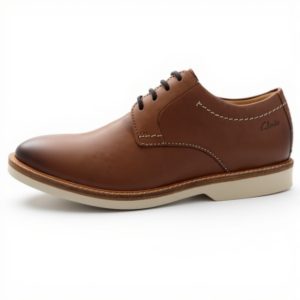
The first thing I noticed about the Clarks Atticus Lace Derbys was how the nubuck leather upper maintained its sophisticated appearance while feeling noticeably softer than the stiff leathers I’d grown accustomed to in other dress shoes. This subtle difference became more apparent throughout the day, as the material seemed to adapt to my foot’s shape without losing its structural integrity or polished look. The dark tan color I chose worked well across different lighting conditions and complemented both formal and business casual outfits without drawing unnecessary attention to itself.
What truly stood out during initial wear was the Cushion Plus foam footbed. Unlike the thin, minimally padded insoles common in many dress shoes, this provided substantial support that made a tangible difference during long periods of standing or walking. The comfort wasn’t the plush, sinking feeling of athletic shoes, but rather a firm, supportive cushioning that maintained the shoe’s professional profile while genuinely reducing foot fatigue. This balance between traditional styling and modern comfort technology represented exactly what I’d been missing in previous footwear choices.
The slim EVA outsoles contributed significantly to the overall wearing experience in ways I hadn’t anticipated. Their lightweight nature made the shoes feel less cumbersome than many other derby styles I’ve worn, while still providing adequate stability on various surfaces. The flexibility allowed for more natural foot movement during walking, which became particularly valuable during days that involved extensive city navigation. This combination of lightweight construction and dependable traction proved ideal for the mixed indoor-outdoor environments that characterize my professional routine.
Fit customization through the lace-up design offered another practical advantage I came to appreciate. The ability to adjust tightness at different points along the foot addressed the common issue of dress shoes either feeling too constrictive in some areas or too loose in others. This adjustability meant I could achieve a secure fit that accommodated normal foot swelling throughout the day without needing to constantly readjust or tolerate discomfort. The thoughtful placement of the eyelets and the quality of the laces themselves contributed to this functional aspect of the design.
Over several weeks of regular use, I observed how the shoes maintained their appearance despite daily wear. The nubuck leather developed a subtle patina that enhanced rather than diminished its sophisticated character, while the stitching and construction held up well under varied conditions. This durability aspect became increasingly important as I realized how frequently professionals actually need to replace dress shoes due to premature wear or damage. The combination of premium materials and quality craftsmanship suggested these shoes would serve well beyond the initial breaking-in period.
Reflection
Living with these shoes for an extended period prompted deeper consideration about what we truly need from professional footwear. The conventional wisdom around dress shoes often emphasizes appearance above all else, with comfort treated as a secondary concern or even a luxury. My experience with the Atticus Lace Derbys challenged this assumption, demonstrating that thoughtful design can deliver both without compromise. This realization extended beyond footwear to broader questions about how we balance form and function in professional life more generally.
The psychological impact of comfortable professional footwear became another point of reflection. When your feet don’t hurt, you’re less distracted, more present in conversations, and generally more confident in your movements. This subtle shift in physical comfort translated into improved professional performance in ways I hadn’t anticipated. The mental energy previously devoted to tolerating discomfort could now be directed toward more productive purposes, from active listening during meetings to creative problem-solving throughout the day.
I found myself reconsidering the true cost of professional footwear. The initial price represents only part of the equation – what matters more is value over time, considering both durability and daily comfort. Shoes that need replacement after six months due to poor construction or that cause daily discomfort represent a much higher true cost than their price tags might suggest. This broader perspective on value influenced how I approach other professional purchases as well, looking beyond initial impressions to consider long-term performance and satisfaction.
The versatility of these shoes prompted reflection on how we define professional appropriateness in different contexts. The clean, classic derby design worked equally well in formal corporate settings, business casual environments, and social occasions, challenging the notion that professionals need multiple pairs of shoes for different types of engagements. This simplicity appealed to my preference for streamlined decision-making in the morning and reduced the mental load of coordinating outfits for varied daily schedules.
Perhaps most importantly, this experience reinforced that small, practical improvements in daily equipment can have disproportionate impacts on overall quality of life. Something as seemingly minor as footwear comfort influences mood, energy levels, and professional effectiveness in ways we often underestimate until we experience the alternative. This awareness has made me more attentive to other aspects of my professional toolkit, considering how each element contributes to or detracts from my daily experience and performance.
Conclusion
Looking back on several months of regular use, the Clarks Atticus Lace Derbys have proven to be more than just another pair of professional shoes. They represent a thoughtful approach to footwear design that acknowledges the real demands of contemporary professional life while maintaining the aesthetic standards expected in business environments. The combination of premium nubuck leather, supportive cushioning, and lightweight construction creates a wearing experience that stands apart from many other options in this category.
The true test of any professional footwear comes not during brief try-ons but through extended daily use across varied conditions. These shoes have consistently performed well through busy workdays, unexpected weather changes, and the general wear of urban professional life. Their ability to maintain both comfort and appearance through these challenges speaks to the quality of their construction and the intelligence of their design choices. This reliability has made them a dependable choice for days when footwear decisions should require minimal thought yet deliver maximum perormance.
What began as a search for comfortable professional footwear evolved into a broader appreciation for how well-considered design can enhance daily professional experiences in subtle but meaningful ways. The attention to detail in aspects like the Cushion Plus footbed and slim EVA outsole demonstrates an understanding of what professionals actually need from their shoes beyond basic appearance requirements. This user-centered approach to design distinguishes these shoes from others that prioritize style alone or comfort at the expense of professional appropriateness.
For professionals navigating the complex demands of modern work environments, finding footwear that balances these competing priorities represents a significant quality-of-life improvement. The reduction of daily physical discomfort, the confidence of appropriate appearance, and the practical benefits of durable construction collectively contribute to better professional experiences. These considerations might seem minor in isolation, but their cumulative effect on daily work life is substantial and worth careful consideration when selecting professional footwear.
The journey toward finding the right professional shoes involves recognizing that the best choices often emerge from understanding your specific needs and contexts rather than following generic recommendations. What works perfectly for one professional’s routine might not suit another’s, making personal experience and careful observation valuable guides in the selection process. The Clarks Atticus Lace Derbys have served well within my particular professional context, demonstrating how thoughtful footwear design can successfully bridge the gap between traditional styling expectations and modern comfort requirements.